Do not hesitage to give us a call. We are an expert team and we are happy to talk to you.
1.8445.3356.33
Help@goodlayers.com
Six days to cover the south of Morocco slowly: kasbahs, gorges, oases and a night in the desert, beginning and ending in Marrakech.
The return runs along the Draa valley instead of retracing the outward road, so you see a different country on the way back.
Pick-up at your riad or hotel in Marrakech. We return you to the same point or to Marrakech airport.
Between 7:00 and 8:00 in the morning, depending on the season.
Six days with the stages shared out, three to five hours of driving a day. Four completely different landscapes: high mountain, gorges, desert and the longest palm grove in the country.
We collect you from your riad in Marrakech in the morning and head for the High Atlas. The Tizi n Tichka road climbs almost two thousand metres in a little over an hour of bends, between adobe villages and terraced fields clinging to the slope. We stop at the viewpoints at the pass, 2,260 metres up, and at one of the argan and mineral stalls along the way.
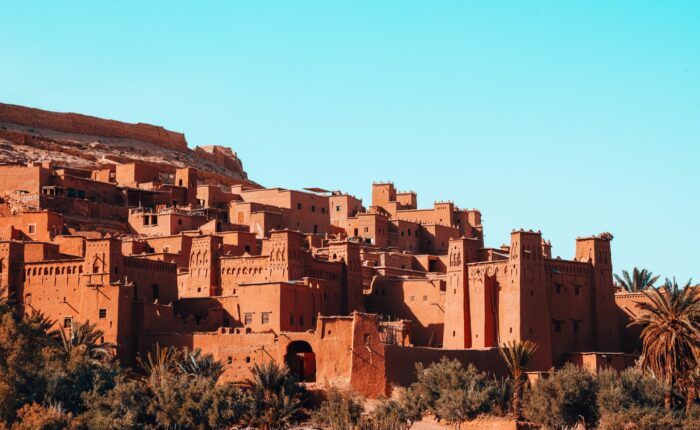
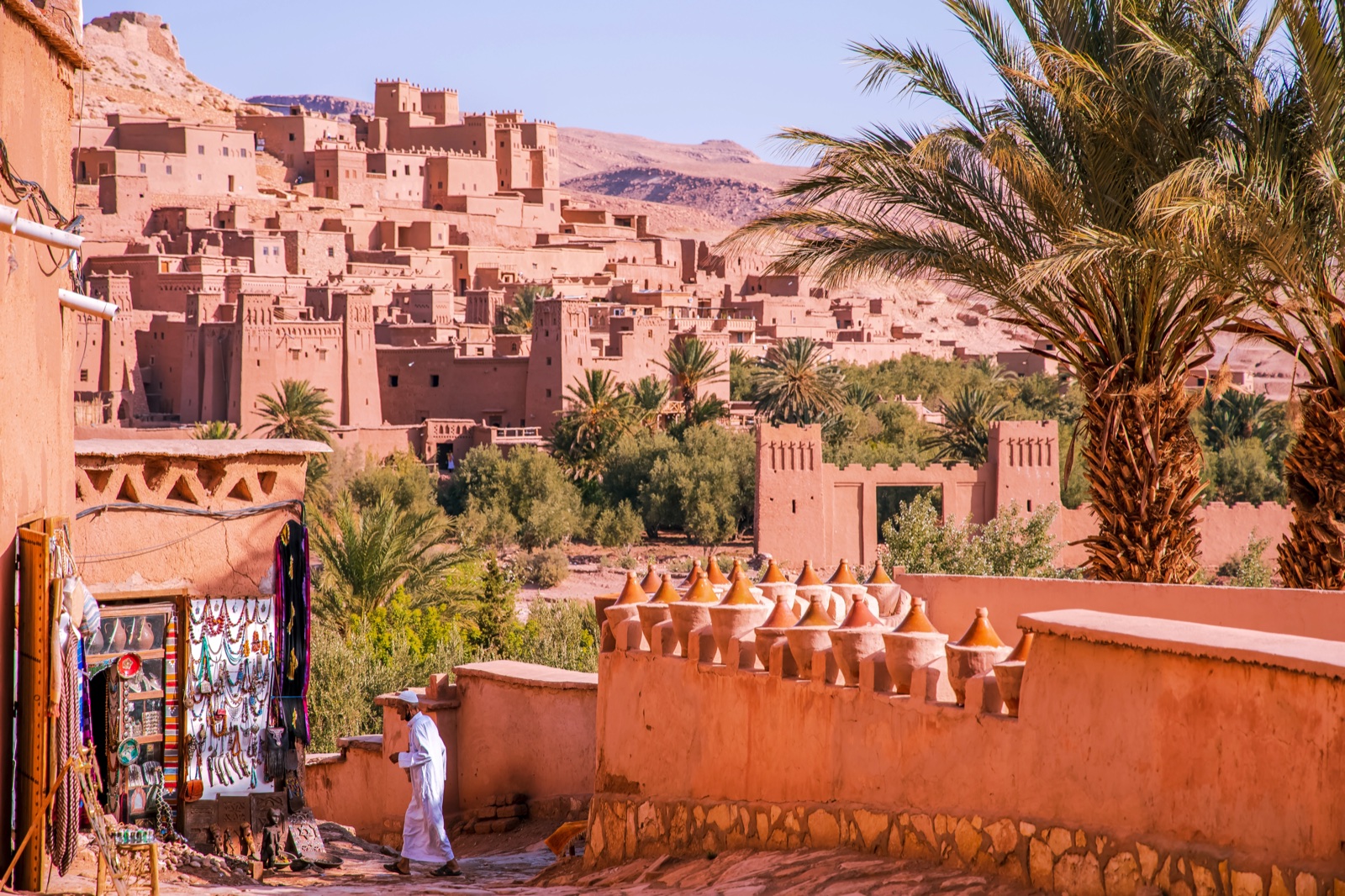
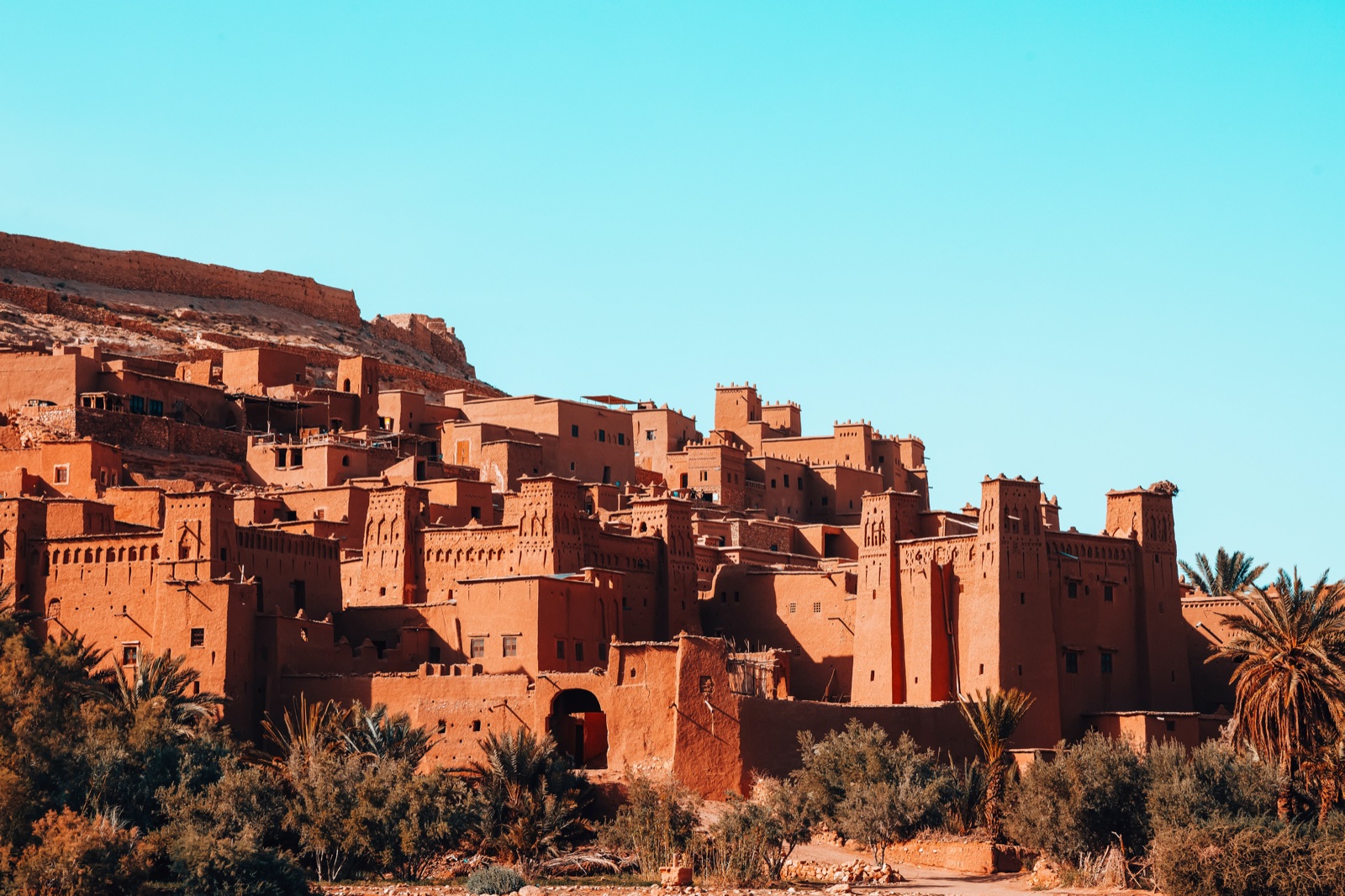
On the southern side the landscape turns mineral and we turn off for Ait Ben Haddou. The ksar, a UNESCO site since 1987, is a pile of earthen houses stacked on a hill across the Ounila river. We cross on foot and climb to the granary at the top, the whole valley below us.
Lunch in the village, looking at the kasbah, then on to Ouarzazate. There is time for the Taourirt kasbah, which belonged to the Glaoui family, or for the film studios that have made the town the desert set for half of Hollywood.
Dinner and overnight in Ouarzazate. Around five hours of driving, the shortest stage of the circuit.
East along the Road of a Thousand Kasbahs. We stop at the Skoura palm grove, a dense oasis where some of the best preserved kasbahs in the south are hidden, Amridil among them.
On to Kelaat M Gouna in the rose valley, where Damascus roses have been grown for centuries and rose water is still distilled in the village cooperatives.
In the afternoon we climb the Dades gorge, with its tight switchbacks and the monkey finger rock formations, then carry on to Tinghir, a long narrow oasis squeezed between bare mountains.
We finish the day at the Todra gorges: 300 metres of vertical wall and a ten metre gap with the river at the bottom. We walk inside at the end of the afternoon, once the heat has dropped. Dinner and overnight nearby.
A relaxed morning. The road runs south-east and the stony desert opens out on both sides. We stop at Erfoud, known for its fossil quarries, where tables and worktops are cut from marble with ammonites four hundred million years old.
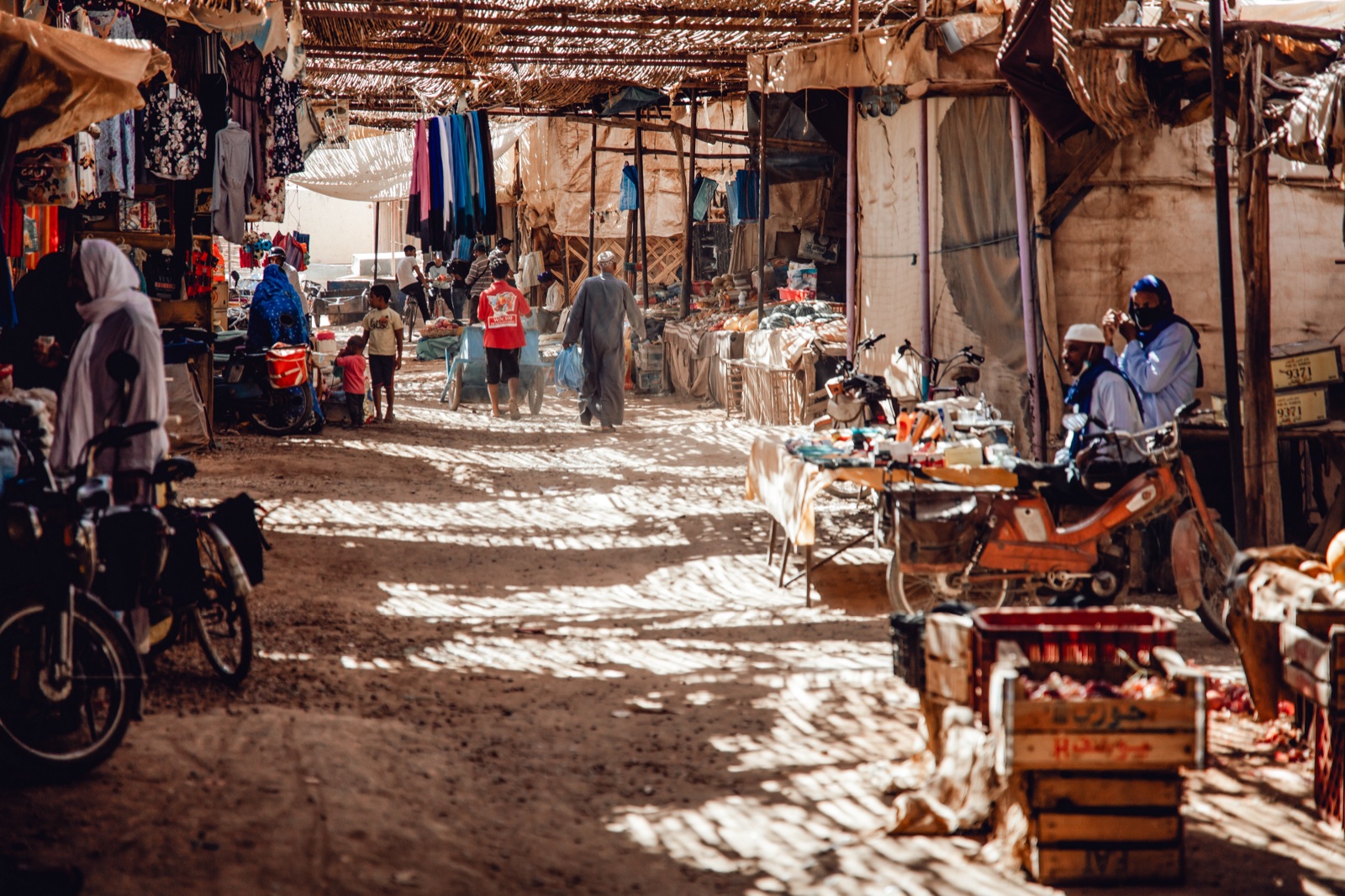
On to Rissani, built over the ruins of Sijilmasa, the city the gold caravans left from for Timbuktu. The souk runs on Sundays, Tuesdays and Thursdays and is still a real market, donkey section included.
We eat medfouna, the meat and spice pie baked under hot sand that people here call Berber pizza.
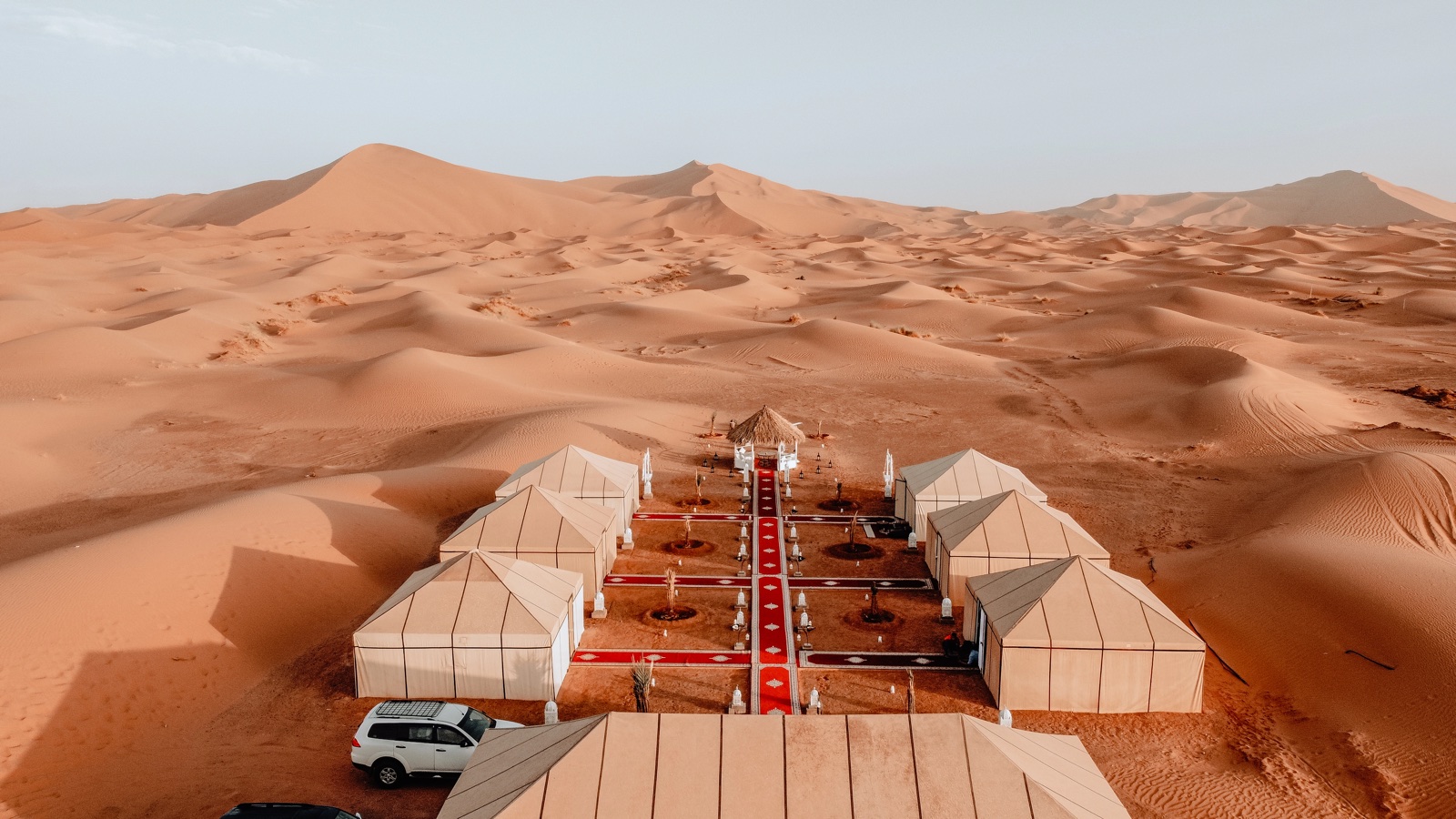
Mid afternoon at Merzouga. We drop the bags, swap the car for a camel and ride into Erg Chebbi, dunes up to 150 metres. An hour and a half in caravan to the camp, with time to climb a dune for sunset. Berber dinner, drums by the fire, a night in a tent.
Up before dawn for sunrise over the erg, the sand changing colour within minutes. We ride back to the village and have breakfast at the hotel, with time to shower and rest.
No long road today. We give the day to the Merzouga area, which has more to it than the dunes. Depending on the season we go out to Dayet Srji, the seasonal lake where flamingos stop in spring.
We visit Khamlia, founded by descendants of sub-Saharan populations, where gnawa music is still played live, and can stop for tea at a nomad camp nearby.
If you want something more active, the afternoon takes a 4×4 run across the erg or an hour on a quad. Second night in the Merzouga area, hotel or camp as you prefer.
We leave the desert and head west on a quiet road through Alnif and Tazzarine, across plateaux and black mountains with small settlements and very little traffic.
By the middle of the day we reach the Draa valley, the longest river in Morocco and the largest palm grove in the country: more than two hundred kilometres of palms between mountains, with earthen kasbahs every few kilometres.
We arrive in Zagora in the afternoon, where the famous sign announces Timbuktu at fifty-two days by camel. If there is light left we climb to the Jbel Zagora viewpoint to see the whole palm grove from above.
Dinner and overnight in Zagora or at a guesthouse in the palm grove.
We follow the Draa north to Agdz, below Jbel Kissane, and stop at the Tamnougalt kasbah, one of the oldest in the valley, which still keeps its family structure and its irrigation system.
We cross the Tizi n Tinififft pass and come back into the Ouarzazate area. If day one ran short we take a longer look at Ait Ben Haddou, or drive up the Ounila valley to the Telouet kasbah, the old Glaoui stronghold.
In the afternoon we climb the Tizi n Tichka once more, south to north this time, and drop towards the Marrakech plain.
We leave you at your accommodation or at the airport in the late afternoon. Around six hours of driving with stops.